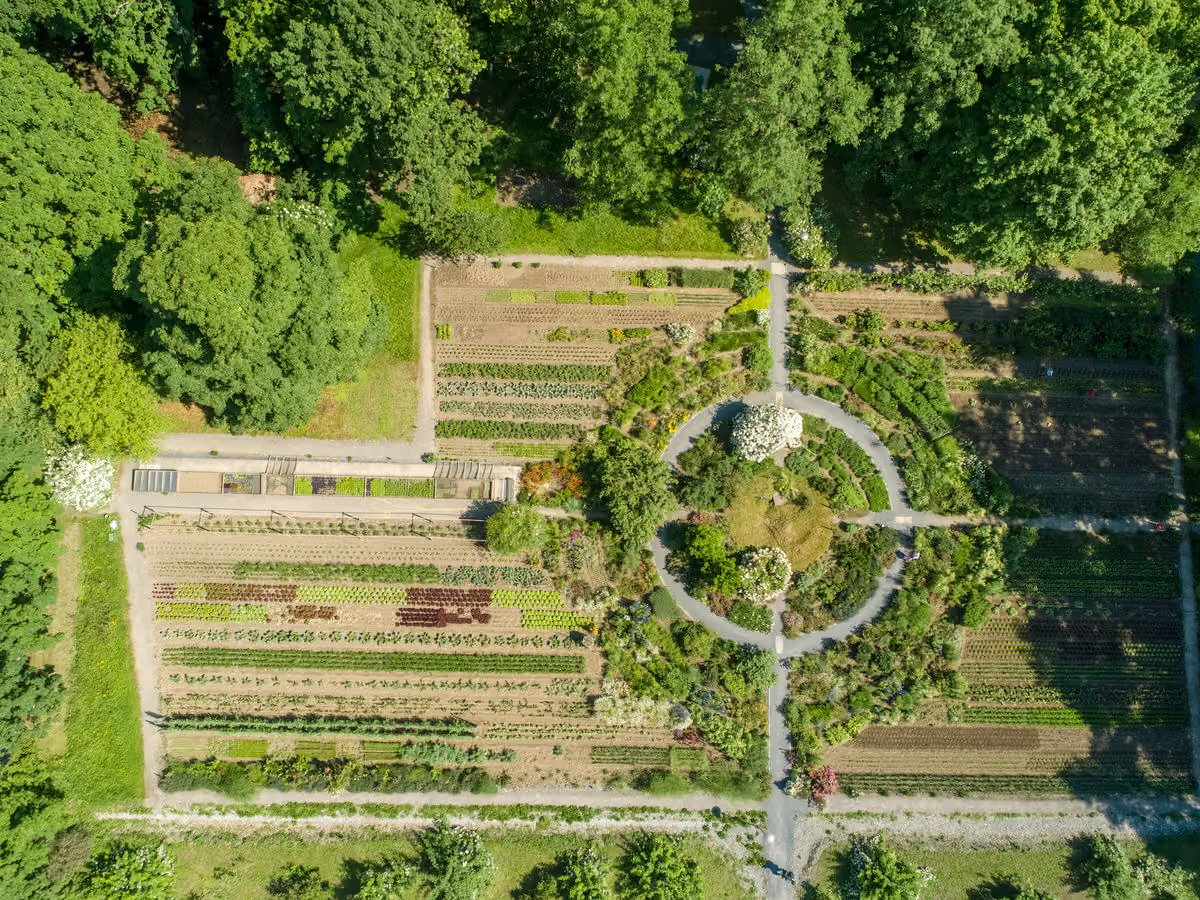
On the shores of Lake Constance, nestled within a historic park, lies Schloss Wartegg – a place where nature and culture find a delicate balance. Here, a small team of gardeners tends to a garden that is more than mere decoration: a living organism in harmony with Demeter's biodynamic philosophy.
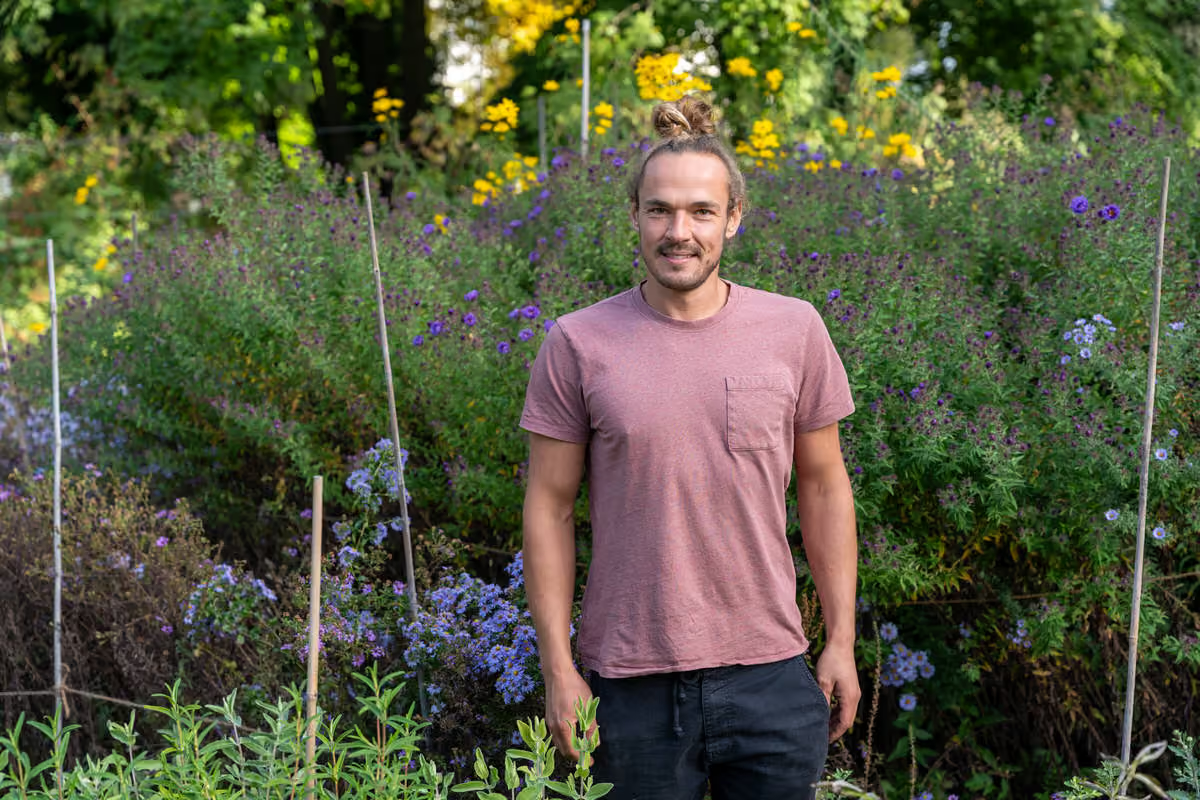
One of the caretakers of this garden is Mirco Zatti. The trained florist has found his calling here. With a keen eye and a steady hand, he tends to the beds, shrubs, and flower borders that stretch across the extensive grounds. Heirloom vegetables, herbs, and wildflowers define the landscape, a harmonious coexistence of edible and ornamental plants. Between summer and autumn, this place yields not only culinary vegetables but also artistic floral arrangements that delight guests at the castle, such as Mirco's autumnal composition of rose hips and wild teasel.
The garden adheres to a philosophy that views earth and humanity as part of the same cycle. Compost is nurtured for years until it becomes vibrant and fertile. Old, resilient varieties are grown from their own seeds – adapted to the climate and location. This creates a garden founded on balance, as well as taste, diversity, and sustainability.
Here grow plants that are rarely seen today. Three of them are particularly close to Mirco's heart:
- Cardoon: Related to the artichoke, cardoon yields not flowers, but tender leaf stalks. In autumn, the plants are dug up, overwintered in an earth cellar, and blanched. This way, they lose their bitterness and become mild. At Schloss Wartegg, they are pickled sweet and sour. Mirco personally uses cardoon regularly in his cooking, for example, baked as a gratin.
- Chervil Root: A rarity from bygone times. Its nutty-sweet flavour is reminiscent of chestnuts. It is sown in autumn, as it needs frost to germinate. After harvesting in June, it rests for a few weeks for its sugar and aroma to develop. The patience pays off.
- Lightroot: Its power lies deep within the earth. Its conical root extends up to one and a half meters, storing warmth in summer and providing energy in winter. It grows upwards in specially constructed towers and is later carefully excavated, almost like an archaeological find.
From the garden, the path leads directly to the kitchen. During peak season, up to seventy percent of the ingredients come from their own cultivation. The kitchen team daily harvests herbs, vegetables, and edible flowers from the garden. A cycle that thrives at Schloss Wartegg: between earth, humanity, and enjoyment.