A grey autumn morning settles over Davos as the historic Schatzalpbahn glides leisurely up the slope – almost as if you were in a scene from the series Davos 1917, which was filmed here, at the traditional Berghotel Schatzalp. Mist drifts through the larches, and the air smells of rain and stone. A mystical silence accompanies the ascent to the terrace high above the town. Up at 1800m above sea level, a world of colours and shapes unfolds: the Alpinum Schatzalp.
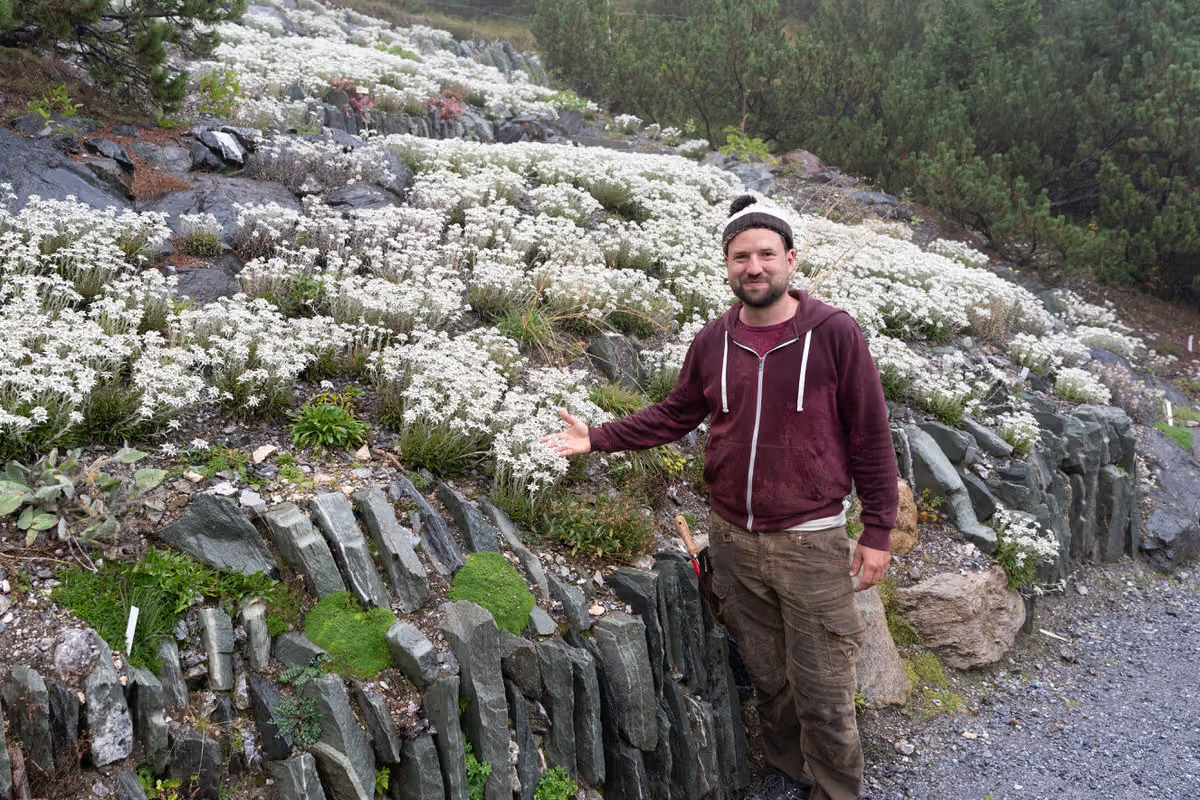
Here, head gardener Fabian Reppel welcomes his visitors and a group of volunteers, to whom he is currently explaining the day's tasks. The volunteers assist in the garden for several weeks, receiving board, lodging, and valuable knowledge about alpine plants and their care in return. Normally, however, Fabian is supported by his permanent gardening team. This experienced team possesses extensive botanical expertise and, together with him, ensures the professional care, documentation, and ongoing development of the expansive grounds.
The preservation of this botanical garden has always been a matter close to Hotel Schatzalp's heart – as part of its history, identity, and responsibility towards alpine nature. Across approximately five hectares, over 5,000 plant species and varieties from mountain regions worldwide, from the Himalayas to the Pyrenees, thrive here. Each garden area tells the story of a different high-mountain habitat, meticulously designed and scientifically documented. The tour begins in the historic Alpinum, first mentioned as early as 1907. Back then, it served as a place of recreation for Schatzalp's sanatorium guests; today, it is the heart of the garden.
The Big Five Garden is particularly striking here, where irises, peonies, daylilies, delphiniums, and Oriental poppies are in vibrant bloom from June to October. Further up, the path leads to the Guggerbachtal Alpinum. An avalanche once cleared the slope, paving the way for a new botanical garden to be established along the rushing stream. Today, rare primroses, bellflowers, and saxifrages grow there among tuff stones and alpine herbs.
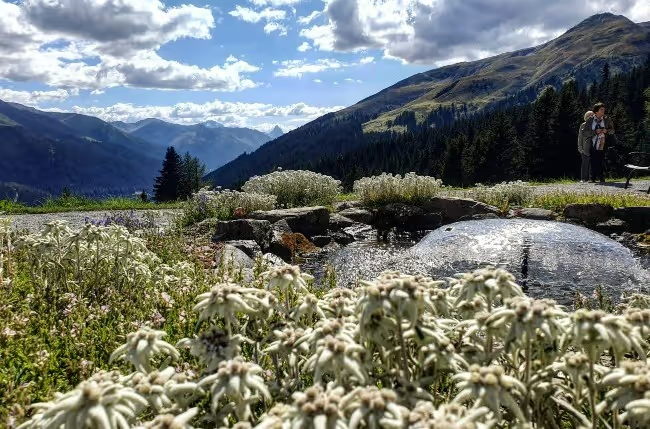
A special highlight is the Edelweiss Collection. Around 30 species of this symbolic flower grow here – including the Alpine Edelweiss (Leontopodium nivale subsp. alpinum), the only species native to Switzerland. Many of the other Edelweiss species originate from the mountains of Asia and the Himalayas, where the genus has its roots. The large carpet of blossoms, featuring over 450 plants and countless individual blooms of Swiss Alpine Edelweiss, is dedicated to this species, a tribute to the national emblem and symbol of alpine flora. Even on cool autumn days, the Alpinum unfolds its silent magic. But this garden is at its most beautiful in midsummer, when the sun and a profusion of flowers transform Schatzalp into a radiant mosaic, and the alpine flora comes alive in all its diversity.